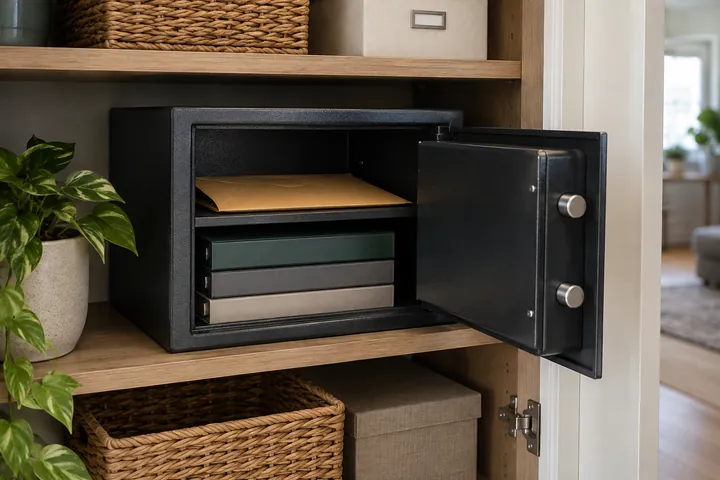
A well-drafted will is much less useful if nobody can find the signed original. Safe storage means protecting the document while making sure the right person can obtain it when it is needed. Both parts matter.
Start by deciding on one clear location for the operative original. A solicitor may offer storage, or you may use a secure arrangement of your own. Consider protection against fire, water, accidental disposal and unauthorised interference, rather than simply choosing the most hidden drawer.
Tell your executor where to look
Your executor should know that the will exists, where it is held and whom to contact. They do not necessarily need to see every gift during your lifetime. A short record of the storage location can give them the practical information without sharing the whole document.
If access depends on another person, a key or a provider's procedure, check that the arrangement will still work after your death. A location that only you can access may create difficulty at exactly the wrong time.
Preserve the document
Keep the signed original intact. Avoid attaching new notes to it, removing fastenings, separating pages or making handwritten changes. If the document has already been damaged or altered, obtain advice rather than trying to make it look untouched.
A scan can be useful for reference and for discussing your wishes with an adviser. Label copies clearly and keep them secure. The existence of a digital copy does not remove the importance of the original for probate purposes.
Keep supporting records separately
An asset list, adviser contacts and funeral wishes can sit in a separate planning file. These records often need more frequent updates than the will. Sensitive passwords and recovery codes should have their own secure arrangements, rather than being written into a document that may later enter the probate process.
Review storage when you move house, change solicitors or replace your will. Tell the relevant people if the location changes and avoid leaving old copies that appear to be the latest instructions.
If an original cannot be found, a copy is not automatically useless, but proving a missing will can require additional evidence and a court application. Clear storage now is usually far easier than reconstructing the position later.
Sources and further reading
General information, not advice on your individual circumstances. Laws and tax rules can change; check the linked official guidance and obtain professional advice where needed.